
Product styling is the craft of arranging your product, props, surfaces, and lighting so shoppers instantly understand what you sell—and why it's worth buying. In ecommerce, your images are your storefront, so strong product styling can lift clicks, improve conversion rate, and reduce returns by setting clear expectations.

What Is Product Styling?
Product styling is the intentional design of an image: the product angle, background, props, spacing, color palette, shadows, and context. Great product styling does two jobs at once:
- Clarity: the product is instantly recognizable (even on mobile).
- Desire: the image feels premium, believable, and on-brand.
If your product photo is "technically fine" but not converting, the missing ingredient is usually product styling.
Product styling vs. "adding props"
Props are optional. Product styling is non-negotiable. A perfectly styled white background image can outperform a cluttered lifestyle scene every day of the week.
Product Styling Principles (The Checklist Pros Use)
Use this as your repeatable product styling checklist for every SKU and every shoot.
1) Start with a clear visual hierarchy
The product should be the hero. Everything else exists to support it. If a prop competes with the product, remove it.
2) Pick a background strategy (clean vs. lifestyle)
- Clean studio: best for marketplaces and consistency.
- Lifestyle context: best when the product needs explanation or emotional storytelling.
For marketplace compliance, start with a clean baseline using a white background photo, then build lifestyle variations.
3) Control surfaces and textures
In product styling, surfaces do the "luxury signaling." Matte stone feels premium; wrinkled fabric feels cheap. Choose textures that match your category and price point.
4) Align color palette to brand (and channel)
Limit your palette to 2–4 colors per scene. Keep it consistent across the catalog so your grid looks cohesive and your PDP gallery feels intentional.
5) Make lighting and shadows believable
Believable shadows are part of great product styling. If the product looks like it's floating, conversion suffers. (Need help with clean cutouts first? Use background removal.)
How to Plan Product Styling (So Your Shoot Doesn't Spiral)
Strong product styling happens before the camera—or generator—turns on. A simple plan keeps you consistent and faster.
Create a mini "style brief" for each product
- Audience: who is this for?
- Promise: what benefit must the image communicate?
- Channel: Amazon, Shopify, ads, email, social?
- Set direction: clean studio vs lifestyle vs editorial.
- Do-not-use list: props/colors that clash with brand.
Build a reusable prop kit
For efficient product styling, use repeatable "kits" (surfaces + 2–3 prop families + consistent lighting). This keeps your catalog unified and saves hours every month.
Use Case Explanations: Where Product Styling Drives the Biggest ROI
Ecommerce PDPs (Shopify / DTC)
On product pages, product styling should prioritize clarity, accurate color, and a consistent gallery. Pair a clean hero image with 2–3 lifestyle images that show scale and use. For broader context, explore product lifestyle photography.
Amazon and marketplaces
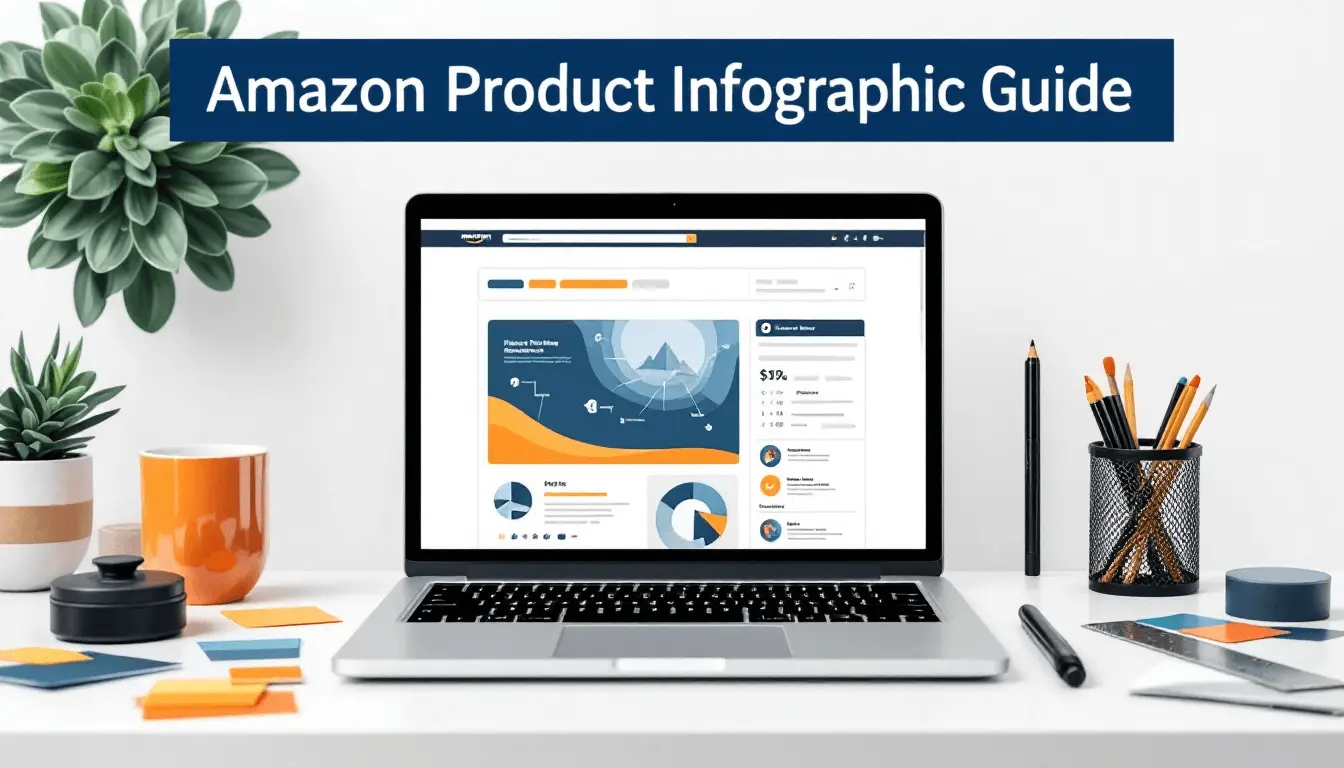
Marketplace product styling is rules-first. Start with compliant main images and expand with benefits images and infographics. For listing strategy, see Amazon listing optimization.
Paid ads (Meta, TikTok, Google)
For ads, product styling should communicate the offer in 1–2 seconds. Test variations: clean studio, lifestyle in-use, close-up detail. If you need volume fast, use AI product photography to create multiple styled versions without a reshoot.
Email + SMS
Email product styling should be high-contrast and mobile-first. Leave negative space for copy overlays and keep the product centered so the message survives small screens.
Social content (organic)
Organic social rewards variety. Keep brand consistency in your product styling while rotating props, seasons, and angles to stay fresh.
Step-by-Step Tutorial: A Repeatable Product Styling Workflow
Use this workflow to build consistent product styling across SKUs and channels.
- Define the single goal of the image: Is this image for compliance, education, or desire? One goal per image makes product styling decisions easier.
- Choose your background type: Start with a clean baseline (often a white background photo), then add lifestyle sets for storytelling.
- Lock your palette + surface: Pick 1 surface and 2–4 colors. Repeat them across the series for consistent product styling that looks like a real brand, not random posts.
- Add only "supporting" props: Every prop must answer: "Does this make the product clearer or more desirable?" If not, remove it.
- Create 3 variations (fast A/B testing set): Generate or shoot: (a) clean hero, (b) lifestyle in-use, (c) detail close-up. This gives you immediate testing options and a stronger gallery.
- Export sizes for every channel: Minimum: 1:1, 4:5, 16:9, 9:16. Consistent exports keep your product styling intact across placements.
- Audit consistency across the catalog: Before you publish, check: horizon lines, color warmth, shadow direction, prop intensity, and crop consistency.